
Casting
ManufacturingProcess, ProductionLine, AssemblyLine, IndustrialAutomation, QualityControl, LeanManufacturing, SixSigma, ContinuousImprovement, SupplyChainManagement, ProductDesign, MaterialHandling, Machining, CNC, InjectionMolding, SheetMetalFabrication, 3DPrinting, Robotics, ProcessEngineering, OperationsManagement, ValueStreamMapping,
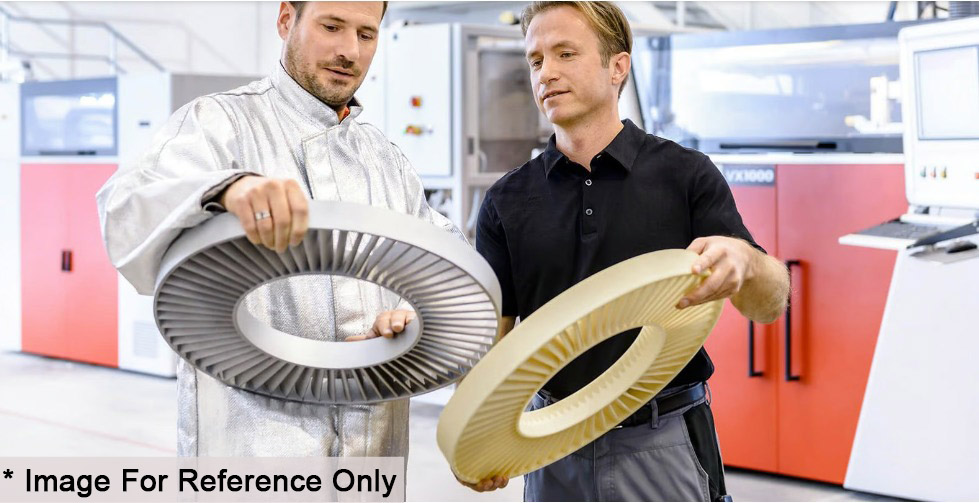
Successful investment casting process
- Here are some key design considerations for investment casting:
1. Design for manufacturability
When designing a part for investment casting, it's important to consider manufacturability. This includes features such as draft angles, wall thickness, and feature size. Draft angles allow the part to be removed from the mold easily, while consistent wall thickness ensures that the metal will flow evenly during casting. Smaller features may require specialized tooling or additional post-casting operations, so it's important to consider these factors during the design phase.
2. Material selection
The selection of material is a critical consideration for investment casting. Factors such as melting temperature, alloy composition, and strength properties all affect the casting process. It's important to select a material that is compatible with the investment casting process and has the necessary properties to meet the functional requirements of the part.
3. Design for tooling
Proper design for tooling is crucial to ensure a successful investment casting process. The gating and runner system design, as well as the mold release agents and coatings, must be carefully considered to ensure that the molten metal flows evenly and fills the mold completely. The design of the gating system can also affect the quality of the final part and should be optimized for the specific casting process.
4. Consider post-casting operations
Post-casting operations such as machining, heat treatment, and surface finishing are often required to achieve the desired final product. It's important to design the part with these operations in mind to ensure that the part can be machined to the required tolerances or surface finishes, and that heat treatment will not cause distortion or other issues.
In conclusion, optimizing your design for investment casting can greatly improve the success of the process and the quality of the final part. By considering factors such as manufacturability, material selection, tooling, and post-casting operations, you can ensure that your investment casting process runs smoothly and the final product meets all functional requirements.
Leave a Reply